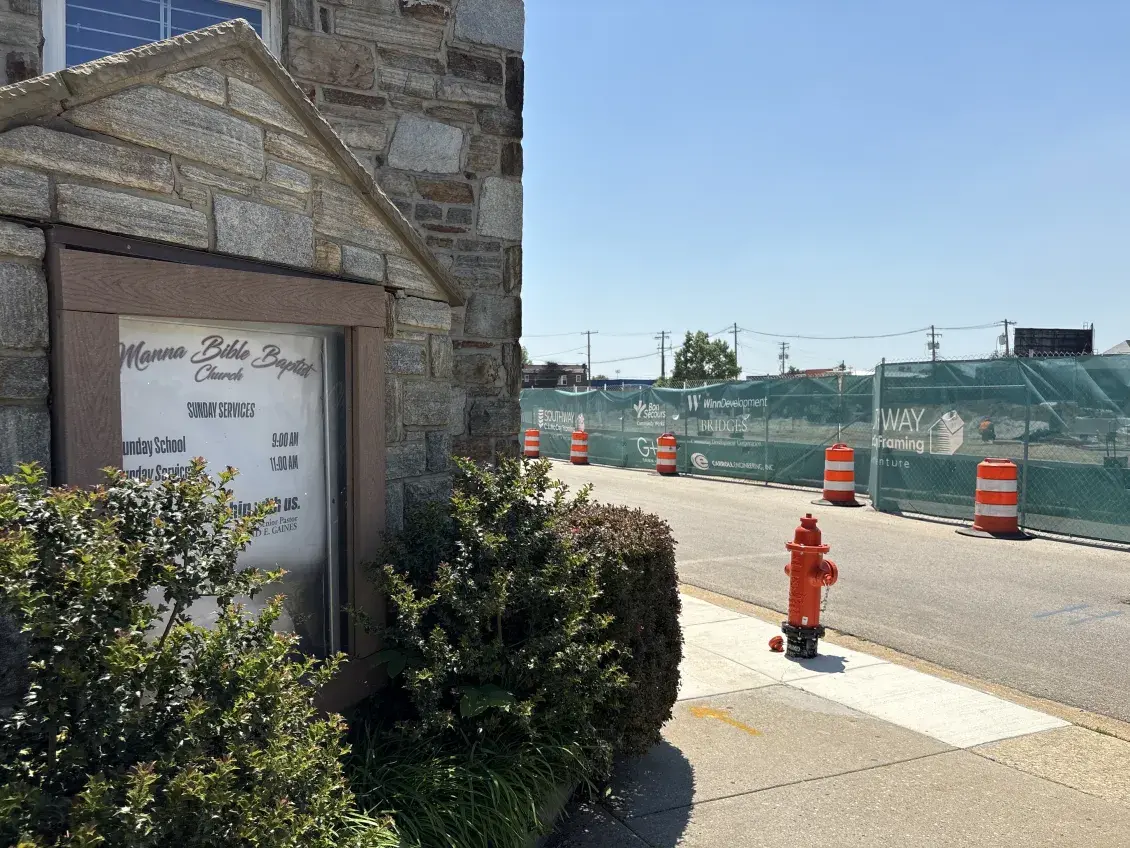
YIGBY is having a moment. The “Yes in God’s Back Yard” concept is one of the newest and perhaps fastest-growing movements in the housing world.
The acronym YIBGY is not only a gentle repudiation of the exclusionary Not in My Back Yard (NIMBY) movement that has stymied housing development for so long. YIBGY is also a clear articulation of the promise of repurposing land owned by faith-based organizations for housing that serves the community.
Amidst the rancor and debate on how to build more homes to fill the multimillion housing unit shortfall in our country, YIBGY laws — and the local projects that they facilitate — offer new solutions to present-day challenges.
By enabling new development on underutilized parking lots or reimagined facility spaces, these faith-driven projects provide homes to people who need them and new purpose and inspiration to faith communities. They also offer a financial lifeline to preserve important anchor institutions like churches, synagogues, and mosques. But their impact goes further. They are also helping to shape broader land use and zoning conversations at the state and local level.
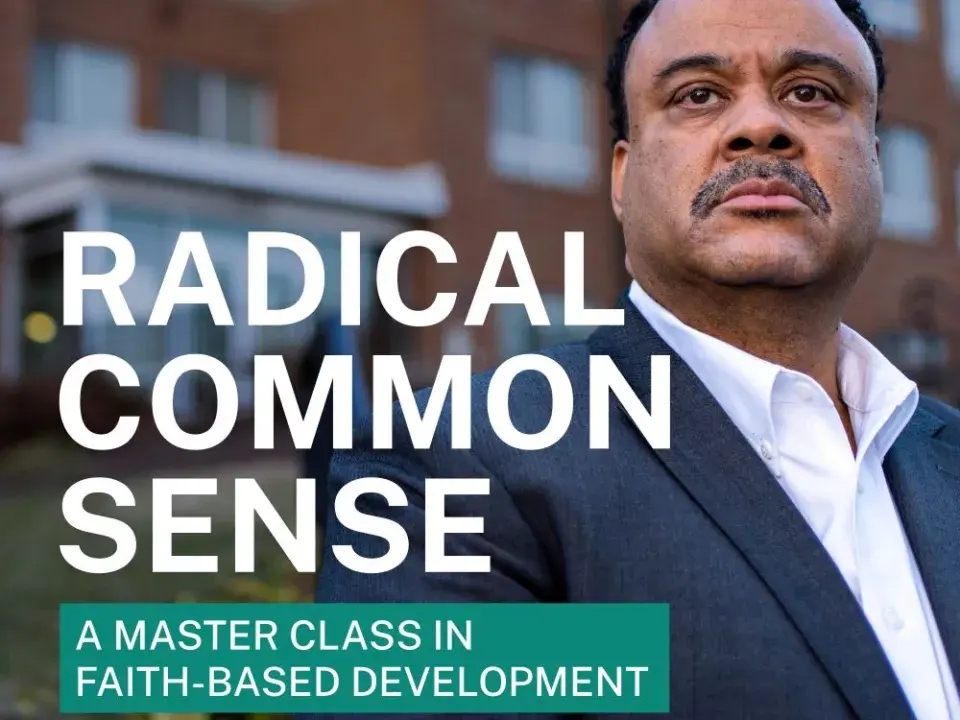
YIGBY and its implications for communities are discussed in episode three of Enterprise’s Radical Common Sense podcast — featuring insights from policymakers LaWana Mayfield, Vicki Been, and Colleen Green. Listen here.
States and Communities Leading the Way
NYU’s Furman Center tracks state reform that is currently underway to codify new approaches to zoning, land use, and development. Furman’s own Vicki Been notes in the webinar that nine states have passed or considered YIBGY acts around country in recent years, including:
- California’s Affordable Housing on Faith and Higher Education Lands Act of 2023, which established by-right development for applicable organizations and the ability to waive state environmental review and local zoning requirements if 100% of the homes are affordable to low- and moderate-income households.
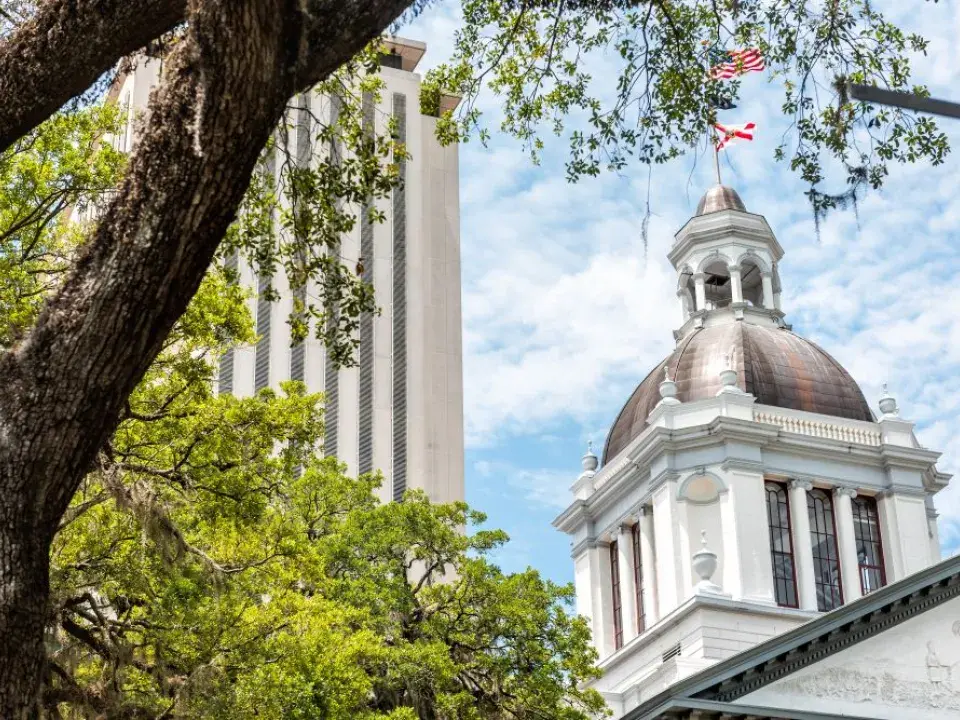
- Florida’s Live Local Act (SB 1730) in 2025 gave local governments the option to approve affordable and mixed-use housing on land owned by religious institutions regardless of underlying zoning. Changes passed in 2026 went further by requiring local governments to allow multifamily and mixed-use residential development on qualifying religious-owned properties of more than three acres, provided they maintain the house of worship and dedicate at least 40% of residential units as affordable rental housing. The result is a two-tiered approach which provides a mandatory state pathway for qualifying properties alongside a broader local option that can reach faith-owned land that falls outside the state mandate.
- Minnesota’s 2023 Sacred Settlements legislation, which allows religious organizations to develop “sacred communities” of micro-units to provide permanent housing to people who are chronically homeless or have extremely low incomes.
- Oregon’s 2021 Land Use Legislation (HB 2008), which requires localities to approve affordable housing projects on land owned by religious institutions located within the urban growth boundary without requiring additional zoning changes. It also provides a tax exemption for property that is used for housing people earning less than 60% of area median income in exchange for a 60-year affordability covenant.
Enterprise actively lobbied for the California and Florida provisions described above and, most recently, worked closely with our Virginia-based partner organizations to secure passage this year of the state's Faith in Housing Act (SB 388), which establishes by-right development and removes discretionary local zoning hurdles for affordable housing on land owned by religious or nonprofit groups.
Action isn’t limited to states. In 2024, Montgomery County, Maryland passed a zoning text amendment known as FAITH: Facilitating Affordable Inclusive Transformational Housing, which created a new zone to streamline development on land owned by faith communities. Houses of worship that responding to the dual challenges of dwindling congregations and the housing crisis played a critical role in advocating for the legislation.
Impact Reaches Beyond Faith Communities
The success and promise of the YIGBY movement offer lessons for broader efforts to accelerate housing supply, in three primary ways:
- They highlight the role of non-conventional development partners. Development of affordable housing is no longer a job only for housing authorities and traditional affordable housing nonprofits. YIBGY laws — and similar efforts to streamline development for public and nonprofit-owned land more broadly — reveal how mission-motivated landowners can be better supported to contribute their resources, time, and leadership to the complex task of building homes.
- They showcase the importance of removing barriers to development. Restrictive setbacks, height limitations, and parking requirements can hinder projects. If landowners have more flexibility to design financially-viable projects that meet their objectives, then more are likely to consider taking on the task. The process of development is already complex. Offering greater flexibility invites more actors into the process and unlocks new ideas that can serve the community.
- They prioritize predictability and certainty for developers. As LaWana Mayfield, a councilwoman in Charlotte, North Carolina, says in the Radical Common Sense podcast, “projects can stall before they even start” when it isn’t clear what is possible, or how long it will take, or if it will ever be approved. Streamlining approval processes, removing optional reviews, and empowering landowners to develop their properties "by-right" saves precious time and money for landowners, whether they are faith organizations or not.
All three are guiding principles that must shape zoning and land use reform efforts at every level if we are to deliver more affordable housing.
Already, there are promising signs on the horizon. In 2026, Colorado passed the Housing Options Made Easier (HOME) Act, which authorizes school districts, universities, transit agencies, housing authorities and qualifying nonprofits to build homes on land they already own. It encourages partnership with experienced housing developers and provides a streamlined approval process that reduces time and risk for landowners.