Introduction
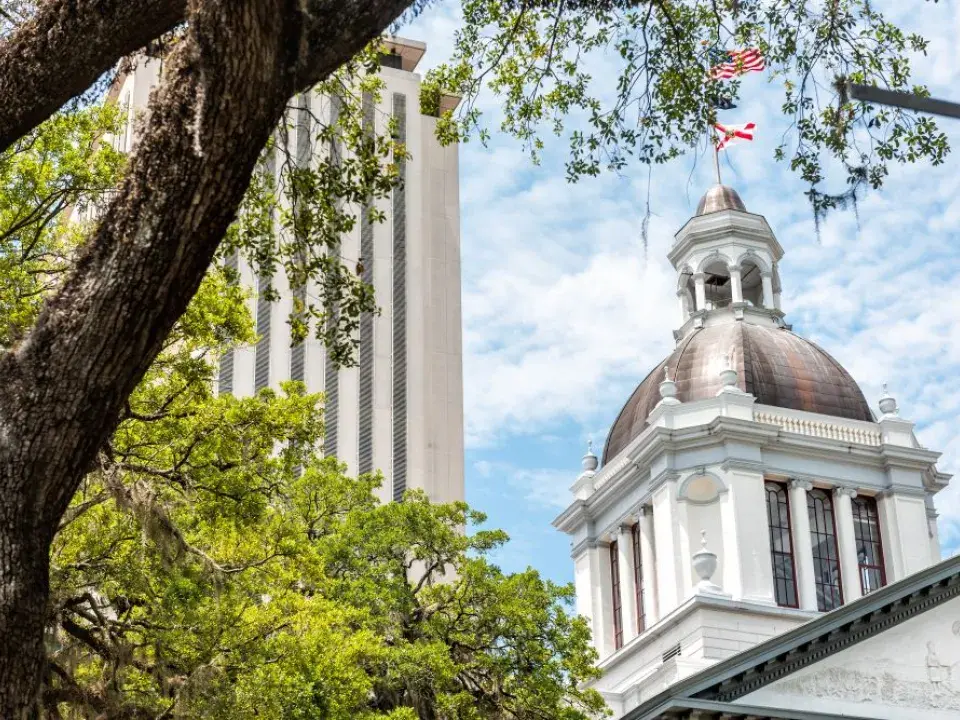
Florida’s 2026 legislative session delivered meaningful wins for housing, with key funding decisions finalized during a special session on the state budget. Lawmakers advanced key policies to expand housing production while major funding questions were resolved before the state’s July 1 budget deadline.
Enterprise engaged in coalition advocacy throughout the session to support full funding of Florida’s dedicated affordable housing trust funds, known as the Sadowski Housing Trust Funds, and advance policies that expand housing supply.
State Budget and Housing Funding Overview
The legislative session concluded on March 13, with lawmakers returning for a special budget session that concluded on May 29. The Legislature sent the final budget to the Governor, who has until June 30 to sign before the new fiscal year begins.
For a sixth consecutive year, the Legislature fully funded the Sadowski Housing Trust Funds. The final fiscal year 2026-2027 budget includes $165.7 million for SHIP, which provides flexible funding to local governments for affordable housing, and $70.8 million for SAIL, which supports the development of affordable multifamily housing, for a combined Sadowski total of $236.4 million. Enterprise worked alongside the Sadowski Coalition and housing partners to support full funding of these programs, which remain among the most important housing tools available to local governments and developers across the state.
Innovative SAIL, a state program that provides gap financing to support the development of affordable and workforce housing, did not receive new funding for fiscal year 2026-2027. The Senate proposed $150 million, consistent with prior years. However, the House proposed no new funding, and that position prevailed in conference. The program has already supported projects expected to deliver more than 7,000 affordable rental homes across 23 counties, demonstrating strong demand for this additional financing tool.
During a June special session, the Legislature approved a property tax constitutional amendment that will go before Florida voters in November. The proposal would significantly expand Florida’s homestead exemption for owner-occupied homes, reducing property taxes for many homeowners if approved by 60% of voters. Because property taxes are a major source of local government revenue, the amendment could have implications for local housing-related investments. Enterprise will continue monitoring the debate around this amendment through the November vote.
Legislative Recap: Significant Bills That Passed
The 2026 session produced several significant housing policy advances.
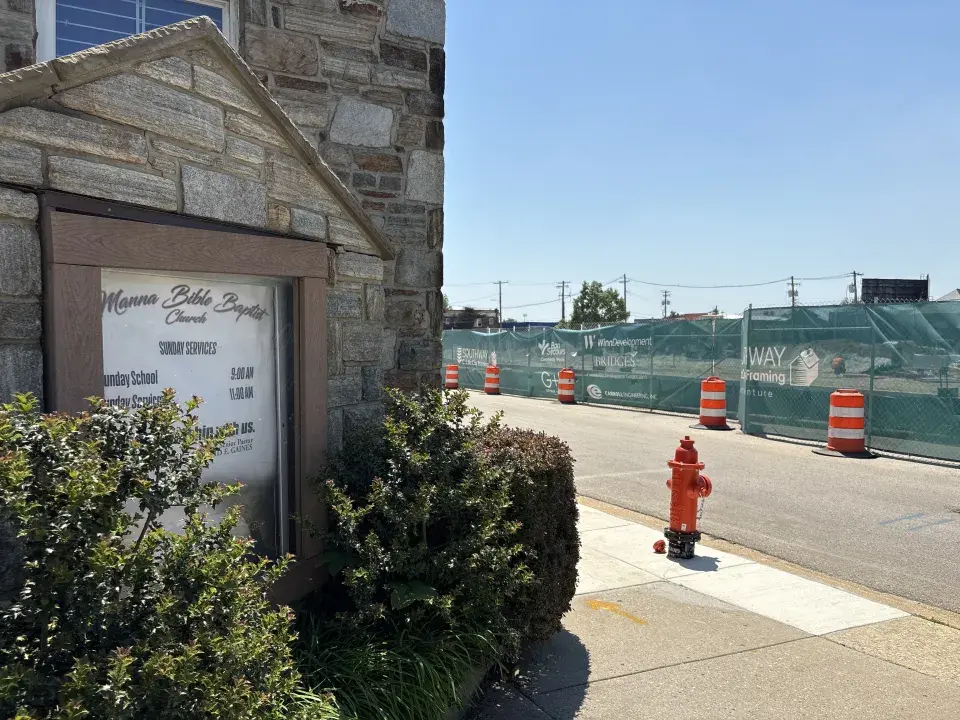
- HB 1389 — Affordable Housing: Building on Florida’s 2025 “Yes In God’s Backyard” (YIGBY) law, HB 1389 is this session’s update to the Live Local Act (Florida’s landmark 2023 land use law), making YIGBY mandatory statewide. Local governments are now required to approve affordable housing on qualifying faith-owned land where an active place of worship has operated for at least 10 years. Projects must set aside at least 40% of units as affordable rentals and will receive Live Local entitlements, including increased density and height, reduced parking requirements, and administrative approval. Enterprise supported this legislation as a meaningful step toward unlocking underutilized land for affordable housing.
- SB 824 — School District Land Transparency: Requires all 67 school districts to produce an annual inventory of unimproved land, creating a statewide database of publicly owned land with development potential. Enterprise supported this legislation.
- SB 1602 — Veterans Housing Pilot Program: Establishes a pilot program to reduce barriers to housing for veterans experiencing homelessness by encouraging landlord participation in HUD-VASH. The legislation would provide vacancy relief and risk mitigation assistance to landlords, helping reduce financial risk and expand housing opportunities for veterans. Due in part to a constrained budget environment, the Legislature did not provide funding for the pilot during this legislative session. Enterprise supported this legislation, and we expect to see future efforts to secure needed funding for this pilot program
- HB 7031 — Home Hardening Tax Relief: Provides a sales tax refund of up to $500 for qualifying impact-resistant windows, doors, and garage doors installed on eligible homesteaded site-built homes valued at $700,000 or less. Eligible homes must be owner-occupied primary residences and cannot be mobile homes, manufactured homes, or trailers. The refund applies to purchases made between July 1, 2026, and June 30, 2029, helping homeowners invest in resilience and disaster preparedness. Enterprise supported this legislation.
Bills That Did Not Pass
Enterprise supported many of the following bills during the 2026 session. Several are expected to be reintroduced in 2027.
- SB 48 — Accessory Dwelling Units (ADUs): Would have required local governments to allow ADUs by right in single-family residential areas, without owner-occupancy requirements or extra parking mandates. The bill would have expanded housing options in existing neighborhoods and provided homeowners with greater flexibility to add housing on their properties.
- SB 948 — Florida Starter Homes Act: Would have prohibited local governments from implementing zoning regulations that prevent the construction of smaller homes by capping minimum lot sizes and restricting local requirements related to setbacks, parking, density, and occupancy requirements. The legislation also required expedited permitting. Enterprise supported this bill as a tool to expand attainable housing supply for prospective homebuyers.
- SB 1342 — Transit Oriented Development Act: Would have encouraged denser, mixed-use development around permanent public transit stops by requiring local governments to establish transit-oriented development zones and limiting local restrictions on height, density, parking, and setbacks within those zones. Enterprise supported this legislation.
- SB 992 — Resilient Buildings: Would have established the Florida Resilient Building Advisory Council and created a state tax credit to incentivize resilient buildings meeting specified standards. Enterprise supported this legislation.
- SB 250 — Rural Renaissance: Would have increased the minimum SHIP allocation for rural counties from $350,000 to $1 million annually, which could have reduced allocations for more populous jurisdictions receiving SHIP funding. Enterprise followed the progression of this legislation and advocated for additional SHIP funding to hold more populous urban jurisdictions harmless while the proposal was under consideration.
Looking Ahead
Florida’s housing policy landscape will be shaped by the 2026 elections and the 2027 legislative session. The next session will begin with a new Governor, Senate President, and Speaker of the House.
Before lawmakers return on March 2, 2027, legislators will participate in committee weeks, providing early opportunities to shape policy proposals and funding priorities.
Enterprise will continue engaging with state leaders, housing partners, and stakeholders to ensure housing affordability remains a priority. Florida continues to lead in developing policy tools to expand housing supply, and Enterprise remains committed to advancing policies that expand housing opportunities for Floridians and their communities.