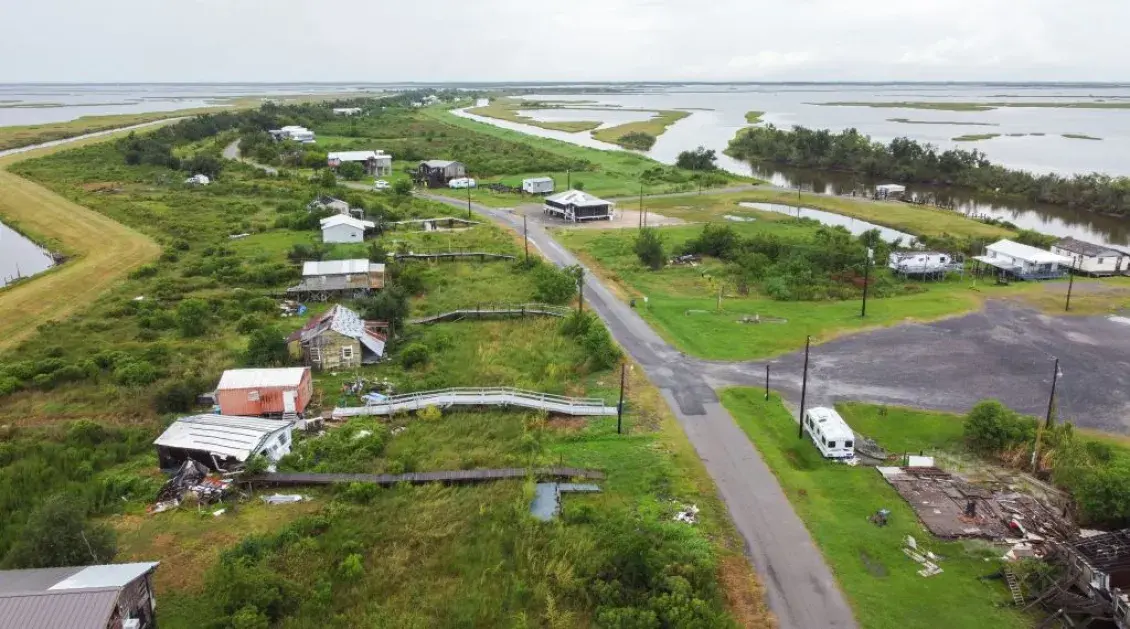
In 2025, the United States experienced 23 extreme weather events that each caused more than $1 billion in damage. These types of disasters are becoming more frequent, more intense, and more costly — a trend observed over the 46 years that federal weather and climate data have been tracked. While these events affect communities nationwide, their impacts are not evenly distributed.
Communities with fewer financial and institutional resources, including low-income communities and communities of color, face greater barriers to both preparing for and recovering from extreme weather. Limited access to capital restricts investments in preventative measures, while recovery is often slowed by inadequate insurance coverage and systemic gaps in support. Strengthening housing resilience and expanding fair access to insurance are critical steps in addressing these inequities, which are rooted in the legacy of discriminatory housing policies.
Disproportionate Exposure and Climate Risk
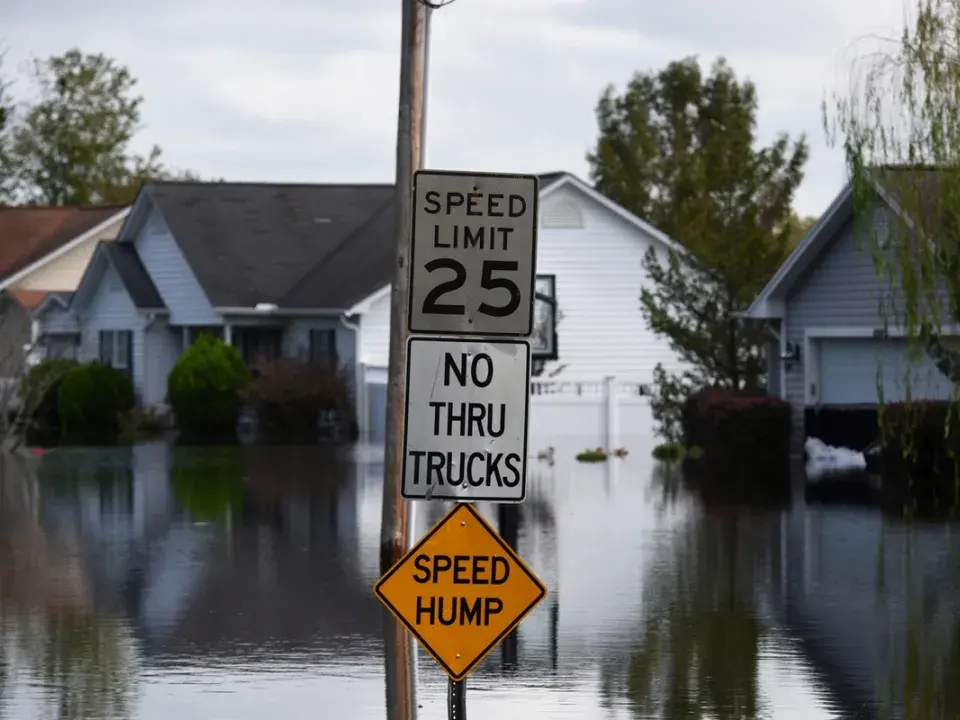
Housing constraints play a central role in shaping vulnerability to disasters. Disadvantaged communities often have fewer affordable housing options, which can force residents into locations with greater exposure to environmental risks. These may include flood-prone areas, neighborhoods with higher heat exposure, or regions more susceptible to storm damage.
The quality of housing further exacerbates these risks. Lower-income households are more likely to live in older or poorly maintained buildings, properties with outdated systems, or basement units, all of which are more vulnerable during extreme weather events. In addition, these communities often have less access to green space and tree canopy, and more impervious surfaces such as concrete and asphalt. This built environment increases flood risk and intensifies urban heat effects.
These patterns are closely tied to decades of disinvestment and discriminatory practices, including redlining, racially restrictive covenants, and exclusionary zoning policies. Such practices have shaped where people live and the conditions of their housing, concentrating risk in historically marginalized neighborhoods.
As a result, disadvantaged populations face higher exposure to climate impacts. A national study by the Environmental Protection Agency found that low-income and minority populations are more likely to live in areas projected to experience the most severe climate-related harms, including flooding, extreme heat, and associated economic disruptions. Longitudinal research has also shown that extreme weather events contribute to widening racial, educational, and homeownership wealth gaps over time, reinforcing disparities that already exist.
Insurance and the Cycle of Cost Burdens
Insurance is designed to help households and property owners manage risk, but in many vulnerable communities, it is either unaffordable, insufficient, or inaccessible. Even before disasters occur, rising insurance costs place a significant burden on both homeowners and housing providers.
Affordable housing providers have been particularly affected. According to industry surveys, many providers experienced premium increases of 25% or more during recent policy renewals. Although price increases have slowed, premiums remain significantly higher than they were just a few years ago, with little indication of meaningful declines ahead.
Enterprise’s report, Curbing the Insurance Spiral, highlights several key drivers of these rising costs as well as market instability. These include the increasing frequency of and severity of climate-related disasters; inflation-driven repair and reconstruction costs; a shrinking pool of reinsurers; and broader market disruptions, such as the Covid-19 pandemic, that have prompted insurers to reduce coverage or exit high-risk areas altogether.
In this environment, some housing providers report experiencing “insurance redlining,” a practice in which insurers deny coverage or charge higher premiums for properties in areas they deem high risk, often reflecting longstanding biases tied to race and income.
These pressures have significant downstream effects. For multifamily property owners, rising premiums and higher deductibles increase operating costs and financial exposure. Unlike market-rate landlords, affordable housing providers are generally unable to pass these costs on to tenants due to regulatory constraints. As a result, they may delay critical repairs, reduce resident services, opt out of affordability restrictions, or default on their debts.
For homeowners, particularly households with low incomes, rising premiums can be prohibitive. Research shows that low-income homeowners in high-risk areas often pay higher effective insurance costs than higher-income households in similar neighborhoods, making it more difficult to sustain homeownership as a source of stability and wealth.
Without reliable and affordable insurance coverage, households in vulnerable communities have fewer resources to recover or return to their homes following disasters, leading to prolonged displacement, financial hardship, and, in some cases, permanent loss of housing.
Building Toward Resilience
Addressing these intersecting challenges requires a comprehensive approach that links housing policy, climate adaptation, and insurance reform. Investments in resilience are critical for reducing disaster impacts — and for supporting long-term housing stability and affordability.
One persistent barrier is the perceived upfront cost of resilient construction and retrofitting. However, these investments deliver strong returns. Every dollar spent on disaster mitigation is estimated to save $13, in reducing future recovery costs. Beyond financial benefits, resilience investments can save lives, reduce housing cost burdens, and strengthen community stability.
Where and how housing is built matters. Expanding access to resilient construction standards — such as Enterprise Green Communities and the FORTIFIED Home™ designation — can help ensure that both new and existing housing is better equipped to withstand climate risks. Providing financial incentives and technical assistance to property owners can accelerate adoption, particularly in underserved communities.
At the same time, strengthening the insurance system is essential. State and local solutions may include expanding Fair Access to Insurance Requirements (FAIR) programs, establishing community-based catastrophe insurance (CBCI) programs to pool and manage risk, and investing in state-backed reinsurance mechanisms that support affordable housing.
At the federal level, policymakers can consider a reinsurance backstop for extreme events, improvements to federal insurance program frameworks, and increased transparency and data access within the insurance market. These interventions can help stabilize coverage availability and ensure a more equitable system.
The recently passed 21st Century ROAD to Housing Act creates a standing authorization of the Community Development Block Grant - Disaster Recovery for three years. This landmark housing legislation marks important progress toward permanent authorization of CDBG-DR, which is administered by HUD and provides critical resources to states and tribal governments for disaster recovery efforts.
The Path Forward
As extreme weather events continue to intensify, the stakes are growing. The question is no longer whether we can afford to invest in resilient, equitable systems — but whether we can afford not to.
Strengthening the property insurance market must be done in conjunction with investing in resilient housing, improving construction practices, and expanding access to disaster preparedness resources. These efforts must prioritize communities that have historically borne the greatest risks with the fewest protections. True resilience means ensuring that all communities have the tools, resources, and protections needed not only to withstand disasters, but to recover and thrive afterward.
This piece is part of our series, Policy Actions for Racial Equity (PARE), which explores how housing policy contributes to racial disparities across the United States. We encourage all who believe in the need to create a just society to read, discuss, and share the PARE series as we learn and act to address the impacts of housing policies on racial equity in America. We invite you to join us in this conversation by suggesting additional topics and sharing resources on advocating for greater racial equity. To offer feedback, reach out to our Policy team. To stay up to date with critical housing policy news, subscribe to our bi-monthly Capitol Express newsletter.