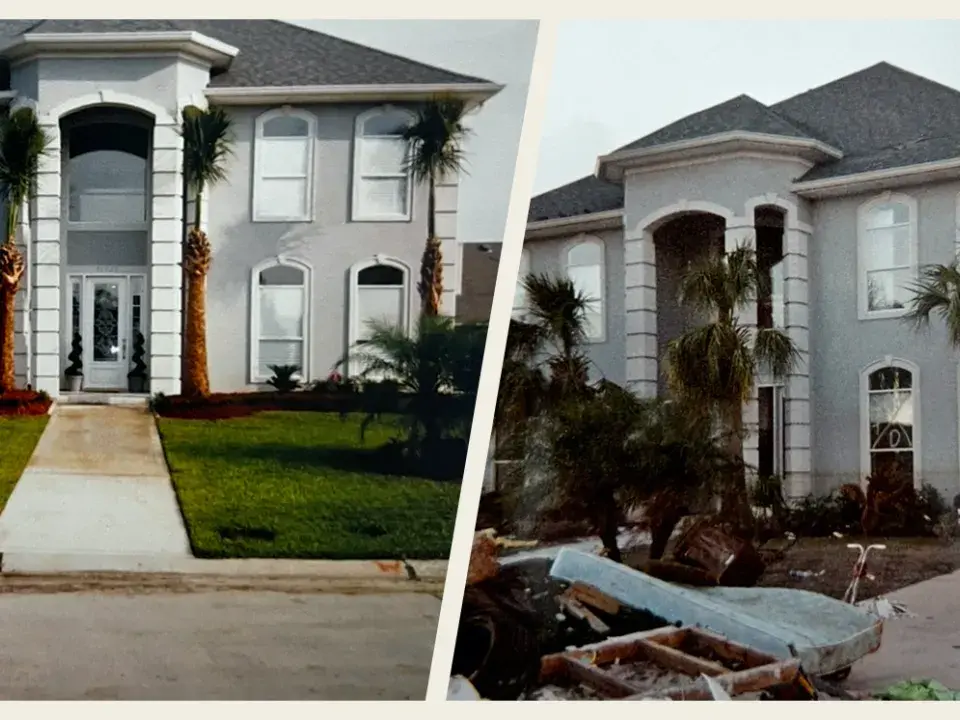
This illustrated step-by-step instructional guide for do-it-yourselfers and contractors is part of an effort to prevent mold-related health problems, save damaged homes and speed the recovery throughout the Gulf Coast region. It outlines a successful protocol for cleaning up mold based on a three-home demonstration in New Orleans.
In a home that experienced at least five feet of standing water for at least two weeks and had mold growth up to the ceiling, the protocol reduced the mold to non-detectable levels. Once the mold is treated in this way, the flooded areas of a home can be renovated in the usual way.
Three national housing organizations-Enterprise Community Partners, the National Center for Healthy Housing and NeighborWorks America teamed up with NeighborWorks organization Neighborhood Housing Services of New Orleans to develop the cleanup protocols. The clean-up methods are based on scientific research and best practices unique to the destruction in the Gulf Coast region wrought by Hurricanes Katrina and Rita. Funding was provided by the Robert Wood Johnson Foundation. Columbia University and Tulane University provided expertise for the demonstration project.
The Learning Center’s resources and all data and information provided therein (collectively, “Content”) are for general informational purposes only. All Content is provided “as is” and may no longer be current or up to date. Enterprise Community Partners, Inc., its subsidiaries and affiliated entities (collectively referred to as “Enterprise”) as well as any co-authors of any Content disclaim all liability for any errors or omissions and make no warranties or representations of any kind, either express or implied, regarding the accuracy, adequacy, validity, reliability, availability, or completeness of any Content presented. All Content should be independently verified by you before relying on it. The Content does not constitute professional advice or services (including but not limited to legal, financial, tax, or investment advice).
- Toolkit