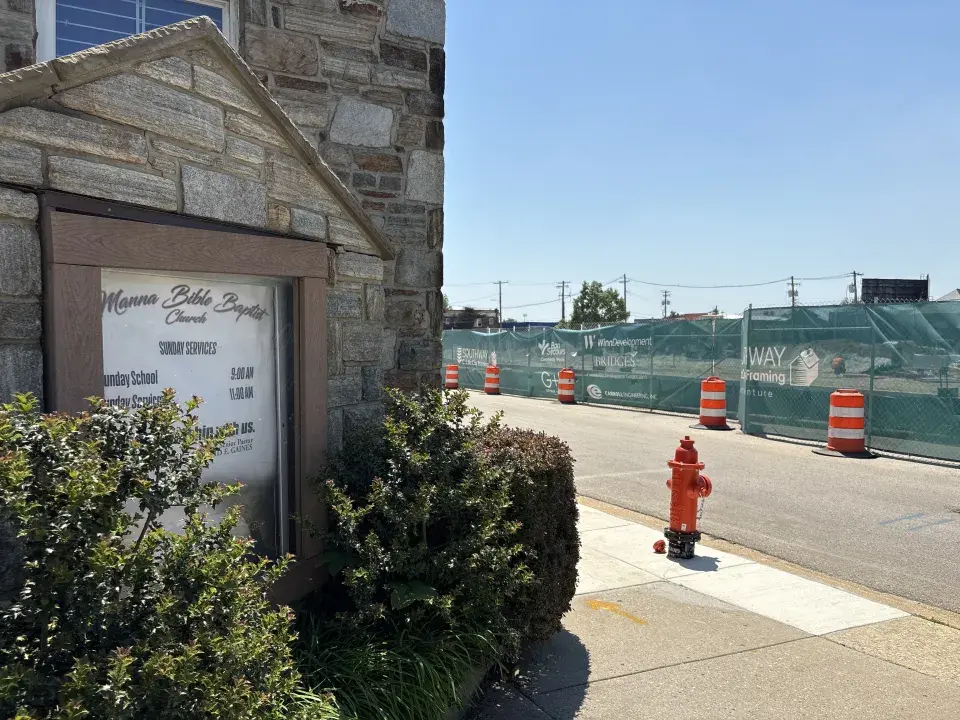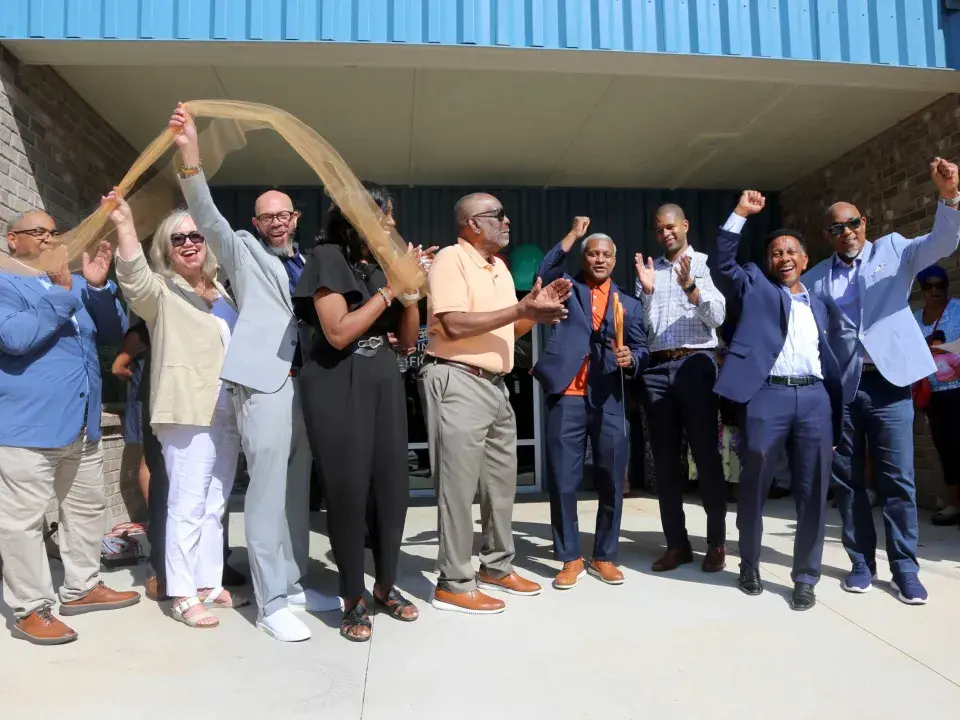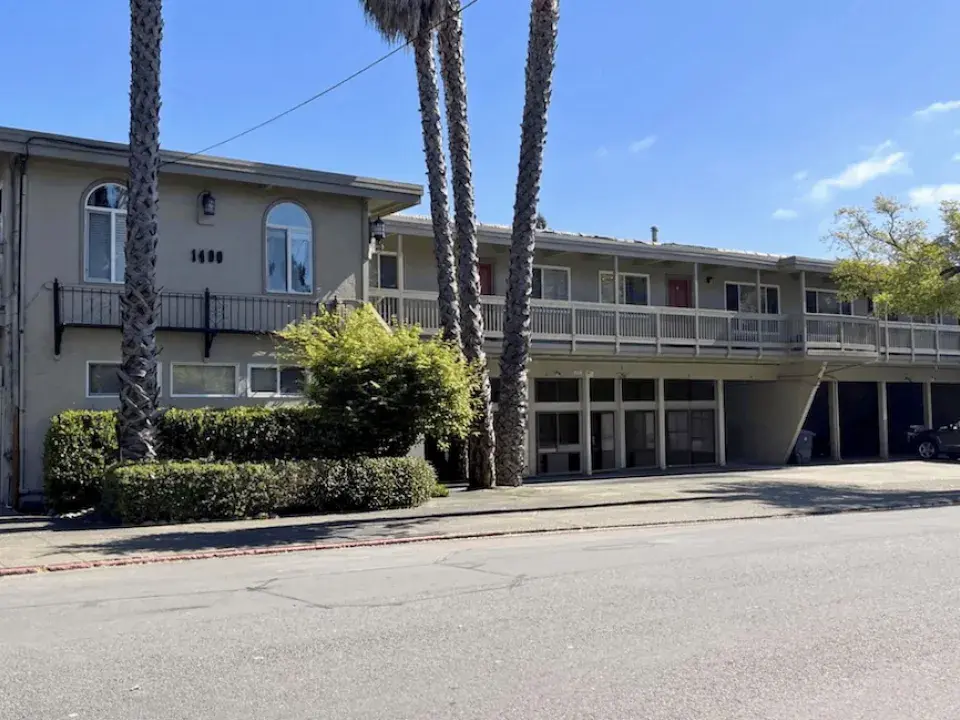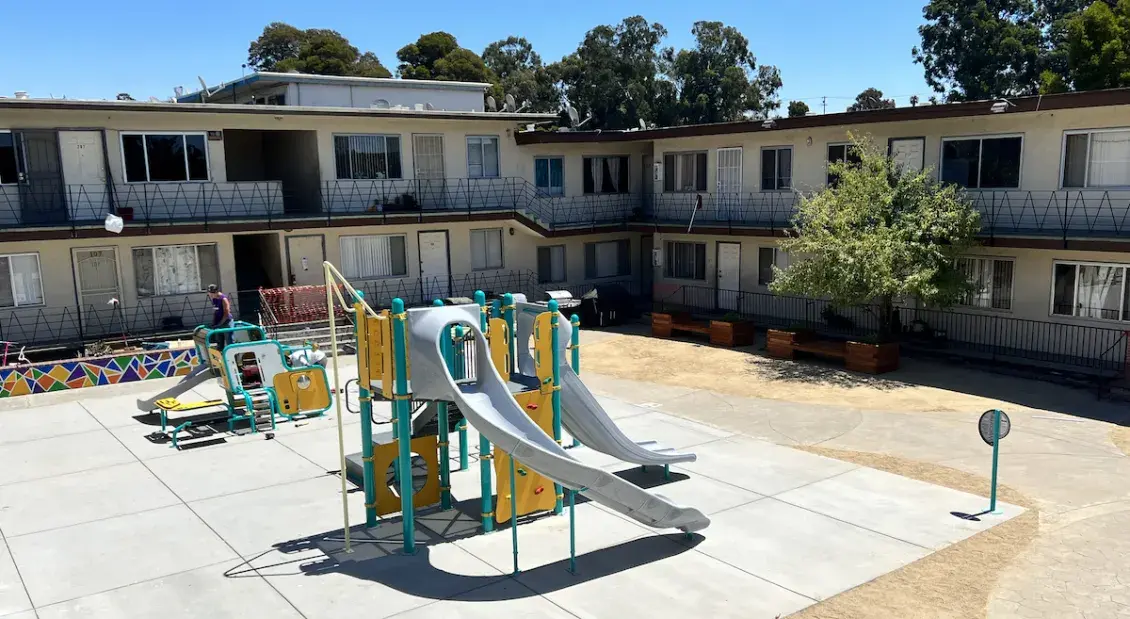
Preservation is a critical approach to address California's housing crisis. While new construction remains essential, it alone cannot meet the scale of need. Recently enacted California legislation marks a significant policy shift that prioritizes affordable housing preservation—a strategy that prevents displacement, costs significantly less per unit, and moves faster without lengthy entitlement processes.
In October, Gov. Gavin Newsom signed two bills that elevate preservation in the tools that local jurisdictions have to meet their state-mandated housing goals known as Regional Housing Needs Allocation (RHNA). Assembly Bill (AB) 670 (Quirk-Silva), focuses on the acquisition and rehabilitation of unsubsidized affordable homes, while Assembly Bill (AB) 726 (Avila Farias), focuses on substantial rehabilitation of existing, deeply-targeted affordable housing.
What is Preservation?
Preservation is an umbrella term for strategies to ensure existing affordable housing remains accessible to low-income families. These include preventing already-subsidized homes from losing affordability restrictions or falling into disrepair, as well as acquisition and rehabilitation (acq-rehab), where mission-driven buyers convert unsubsidized, market-rate housing into restricted affordable homes.
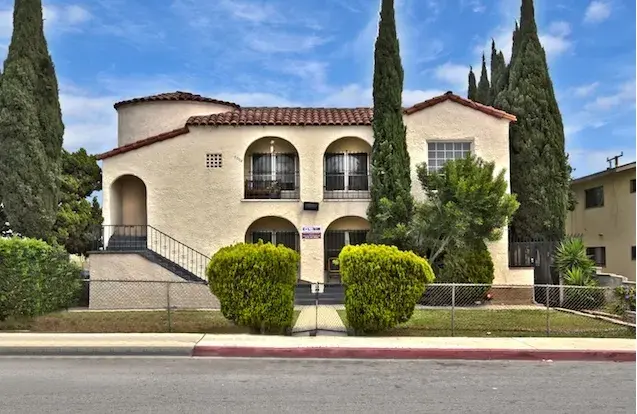
In acq-rehab, mission-driven buyers purchase privately owned properties that are currently affordable but at risk of becoming unaffordable due to rising rents and deterioration. After acquisition, necessary rehabilitation is conducted to improve living conditions. Mission-driven owners—including nonprofit community development corporations and community land trusts—sometimes operate these properties as affordable rentals, other times through resident-driven community ownership models that create wealth-building opportunities.
Acq-rehab is a critical anti-displacement strategy that ensures community members can remain in their neighborhoods and their homes, generally at a 30-50% lower cost than new construction. This approach can also be a countercyclical strategy, taking advantage of market downturns and the associated lower acquisition costs.
What Do These Bills Change?
Both bills allow local governments to report preserved affordable homes in their Annual Progress Reports (APRs) and claim credit toward state-mandated housing goals. AB 670 enables jurisdictions to claim credit for homes preserved via acq-rehab for up to 25% of their RHNA in the relevant income category. AB 726 allows jurisdictions to claim RHNA credit for substantial rehabilitation of existing affordable housing serving extremely low-income and very low-income households.
Prior to AB 670, unsubsidized affordable homes converted to deed-restricted housing rarely received RHNA credit, creating a disincentive for local acq-rehab investments. Cities and counties can now report preserved units starting in their APR due April 1, 2027. The bill also includes demolition reporting requirements to ensure local governments meet their replacement housing and relocation assistance obligations.
AB 726 addresses a gap in existing regulations. While preservation of existing affordable housing already counts toward state goals, regulations only focused on extending restrictions for properties with expiring affordability covenants—not on incentivizing the costly repairs older affordable buildings need when charging deeply affordable rents. AB 726 will incentivize local investments by allowing jurisdictions to count substantially rehabilitated units toward RHNA goals.
Important guardrails remain. Jurisdictions must still meet most low-income housing goals through new construction, which remains necessary for augmenting insufficient statewide housing supply. Since preserved homes only count toward APRs—not toward identifying developable sites in Housing Elements or adequate zoning—these bills won't reduce obligations to plan new construction. For acq-rehab specifically, the 25% cap prevents jurisdictions from overemphasizing preservation to exclude new development.
With current market conditions—high interest rates and inflation—rendering new construction more difficult or financially infeasible; preservation offers an additional avenue to meet housing goals while preventing displacement.
AB 670 was sponsored by Enterprise, the Public Interest Law Project, the Association of Bay Area Governments, and the Metropolitan Transportation Commission, emerging from the Stable Homes Coalition co-led by Enterprise alongside Housing California and Public Advocates. AB 726 was co-sponsored by the California Housing Partnership and the California Housing Consortium.
What Else is Needed for Successful Acq-Rehab?
Acq-rehab has been underutilized as an affordable housing strategy, but its potential for achieving anti-displacement and social equity goals has made it a core Enterprise priority in California. To leverage AB 670 successfully, jurisdictions should allocate local acq-rehab funding. Like all affordable housing projects, acq-rehab rarely happens without public subsidy, yet no state or federal funding sources are currently set aside specifically for this strategy.
Pioneering jurisdictions—San Francisco, Oakland, and Los Angeles County—identified funding through voter-approved bonds, real estate transfer taxes, inclusionary housing in-lieu fees, and combined funding from multiple sources. Some have made federal Community Development Block Grant funds available for preservation. Jurisdictions can also provide indirect subsidies through welfare tax exemptions or permitting streamlining to accelerate rehabilitation work.
What Learning Resources Are Available?
Trailblazing jurisdictions and the affordable housing organizations working with them learned that even seasoned professionals encounter unique acq-rehab challenges. Market-rate properties housing low-income families are often older and poorly maintained. Rehabilitation scopes vary widely due to building size, age, and typology, as do subsidy needs. Some needs may not be fully understood before purchase, and each acquisition contains inherent risk. Standard new construction financing often doesn't fit acq-rehab needs, underscoring the need for specialized expertise among public sector staff. Additionally, properties are already occupied by residents with unknown incomes.
Recognizing that stakeholders require additional technical assistance, Enterprise launched two initiatives. The California Preservation Academy provided technical assistance for development partners through a webinar series. Subsequently, Enterprise launched a California Public Sector Preservation cohort for jurisdictions establishing new funding programs. While not accepting new participants, interested public sector staff can contact Enterprise for materials.
What Are the State Funding Opportunities?
The proposed state affordable housing bond (AB 736 by Assemblymember Buffy Wicks and SB 417 by Senator Christopher Cabaldon) presents a potential opportunity, including $500 million for acquisition and rehabilitation of unsubsidized affordable homes through a new state program. This model aligns with the Community Anti-Displacement and Preservation Program proposed in SB 225 (Caballero), sponsored by Enterprise alongside Housing California and Public Advocates. Should the bond pass, this funding would help stabilize low-income families and help local governments progress toward housing goals.