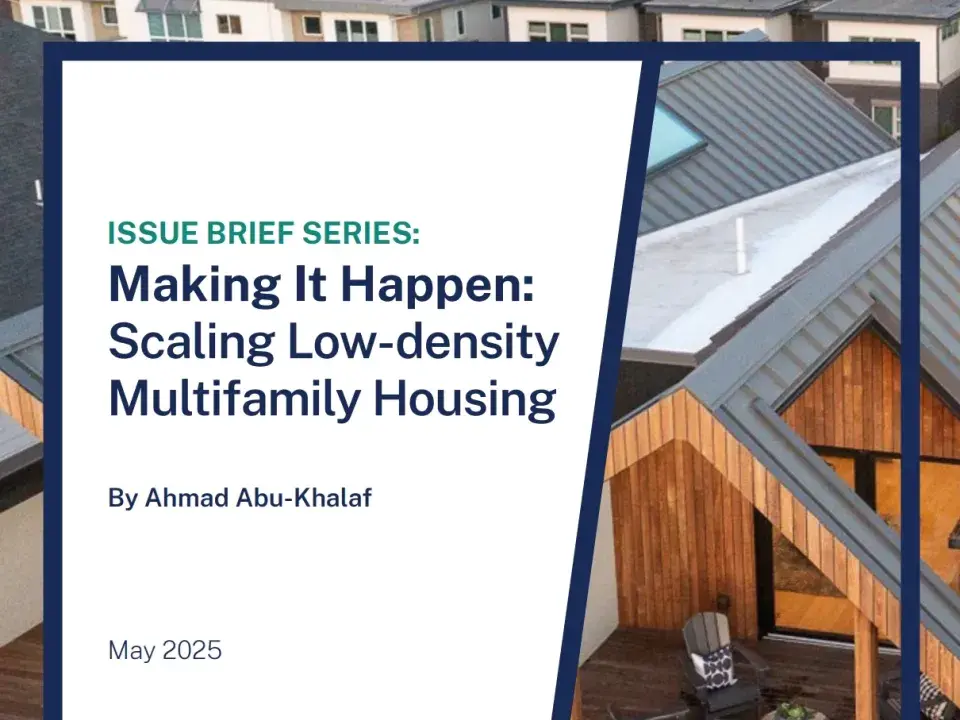
As the country continues to face a profound shortage of affordable rental homes, developers, policymakers, and advocates continue to explore innovative strategies to expand the supply of affordable homes and contain the cost of affordable housing development. One promising approach is leveraging underutilized publicly owned properties – buildings or parcels owned by a governmental or government-chartered entity, such as units of federal, state, or local government, transit agencies, and school districts – for affordable housing development.
In a constrained financial environment, offering underutilized publicly owned properties at a discounted price or no cost is an effective and proven strategy that helps contain the cost of affordable housing development and expands the supply of affordable homes. However, there are significant challenges associated with leveraging publicly owned property for affordable housing development, including regulatory issues that can add time, cost, and complexity to the development process.
In a new issue brief — Making it Happen: Leveraging Federally Owned Property to Create Affordable Homes – the fourth in a series focused on opportunities to scale affordable housing innovations — we discuss considerations, strategies, and attainable outcomes for repurposing underutilized federally owned property to create affordable multifamily homes.
The Learning Center’s resources and all data and information provided therein (collectively, “Content”) are for general informational purposes only. All Content is provided “as is” and may no longer be current or up to date. Enterprise Community Partners, Inc., its subsidiaries and affiliated entities (collectively referred to as “Enterprise”) as well as any co-authors of any Content disclaim all liability for any errors or omissions and make no warranties or representations of any kind, either express or implied, regarding the accuracy, adequacy, validity, reliability, availability, or completeness of any Content presented. All Content should be independently verified by you before relying on it. The Content does not constitute professional advice or services (including but not limited to legal, financial, tax, or investment advice).
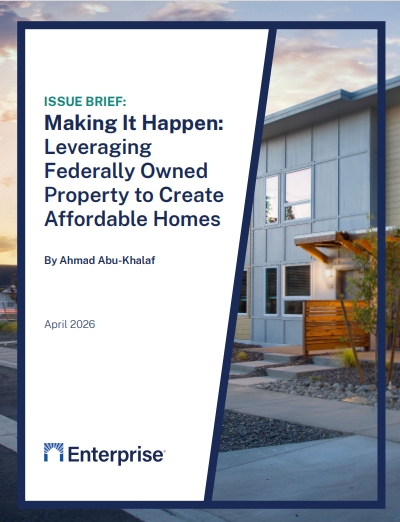

- Brief