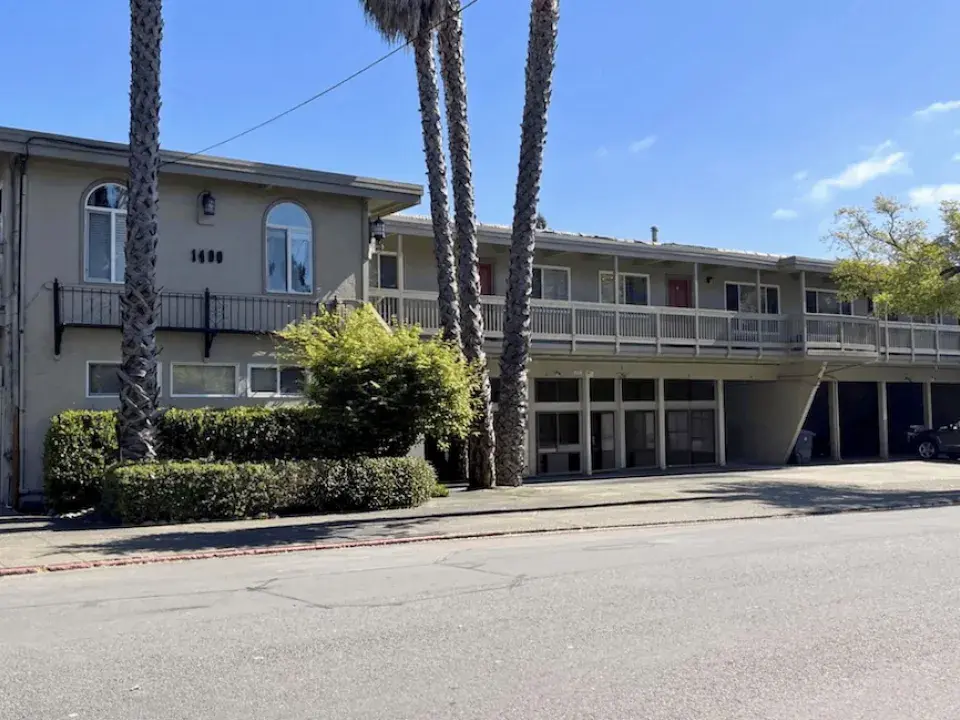
California has made significant investments over the past decade in programs that are keeping Californians housed and building critical affordable homes. However, some of these homes face an urgent threat to their long-term viability.
In recent years, rising insurance premiums, rental arrears, and other operating cost pressures have created increased financial strain for affordable housing providers. As the state continues to experience a severe housing shortage, these challenges place existing affordable homes and their residents at risk of permanent loss and displacement.
Assembly Bill 2020, authored by Assemblymember Gabriel, would provide responsive state support to help keep affordable housing developments — and the residents who call these communities home — stably housed. The bill would give the California Department of Housing and Community Development (HCD) the authority to allow housing providers to transfer excess reserves and/or excess operating income from one project to another, in effect cross-subsidizing across their portfolio when a specific project faces operational challenges. This flexibility can make a targeted and meaningful difference for projects operating on thin margins, helping to stabilize developments under financial strain and protect California's existing supply of affordable housing.
AB 2020 is informed by Enterprise's statewide Insurance Working Group, and Enterprise is proud to co-sponsor the bill alongside the California Housing Partnership, the Non-Profit Housing Association of Northern California, and the California Coalition for Rural Housing.
The Need for Increased Financial Flexibility for Affordable Housing
Preserving existing affordable housing is a crucial and cost-effective strategy to stabilize residents and communities, yet these homes face ongoing financial challenges. Unlike market-rate housing, affordable housing providers are required to keep rents affordable for at least 55 years through their public funding sources, leaving them with few options to absorb rising costs. An Enterprise survey of 24 affordable housing providers in 2025 found that more than 150 developments across the state are at risk of significant financial distress over the next three years without intervention.
"We have seen firsthand the growing risks for developers and projects due to untenable insurance premiums and other operational cost increases. Affordable housing developers are resourceful and resilient; however, without additional intervention, the state's critical affordable homes, the organizations that manage them, and the residents who live there are at risk of losing their stability."
— Heather Hood, Enterprise VP and Market Leader, Northern California
One of the most pressing operational challenges facing housing providers is insurance costs. An Enterprise survey of 130 affordable properties found that developments were experiencing average insurance cost increases of 70%, with some providers reporting hikes as high as 500%.
AB 2020 would address the financial challenges by allowing HCD to authorize the transfer of excess reserves or excess operating income between affordable housing developments under the same sponsor or affiliated ownership. This flexibility would enable developers to stabilize struggling properties using existing portfolio resources.
By directing resources where they are needed most, AB 2020 represents a targeted tool to protect the long-term stability of deed-restricted affordable housing and ensure residents can remain in their homes and communities.
Looking Ahead
AB 2020 recently passed out of the Assembly Housing and Community Development Committee unanimously and will next be heard in Assembly Appropriations. Enterprise is working closely with Assemblymember Gabriel and our co-sponsors to advance practical, targeted solutions that protect the long-term stability of affordable housing and the Californians who depend on it.
Each year, Enterprise sponsors and supports several pieces of legislation in Sacramento. This legislative spotlight takes a closer look at a bill we are co-sponsoring this session. For more information, contact Justine Marcus.