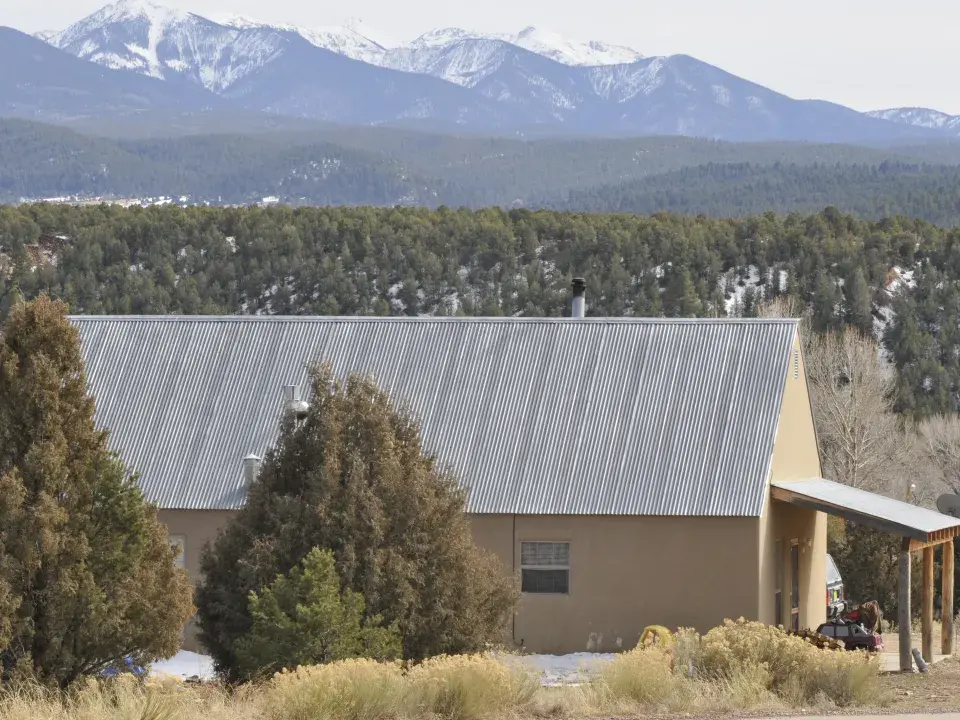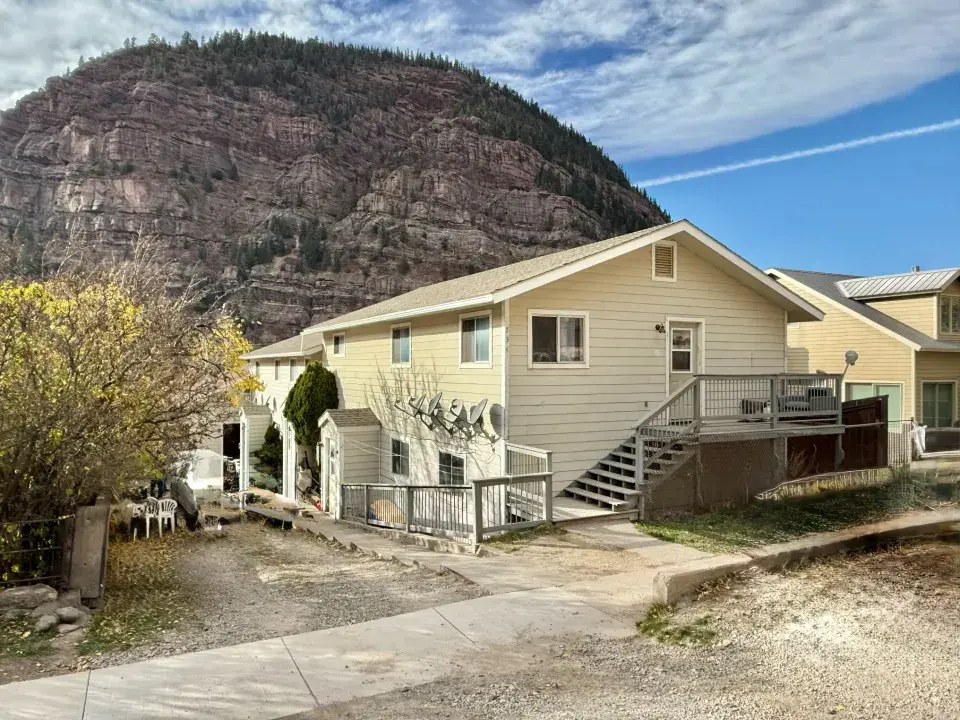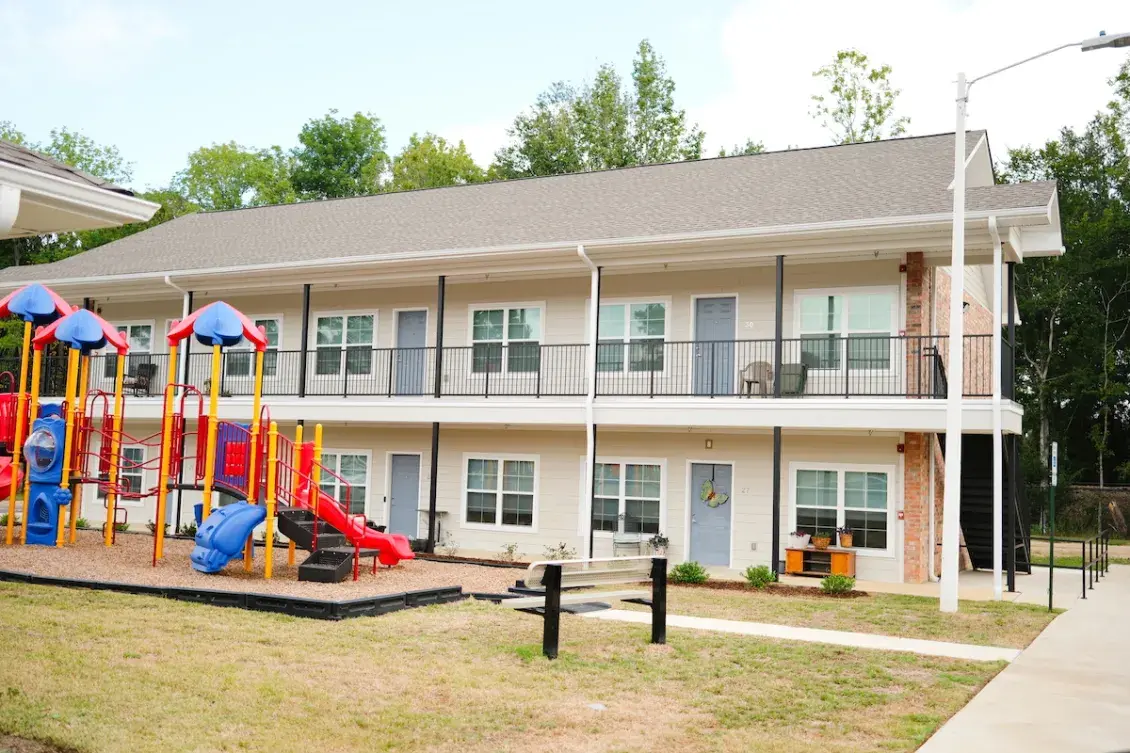
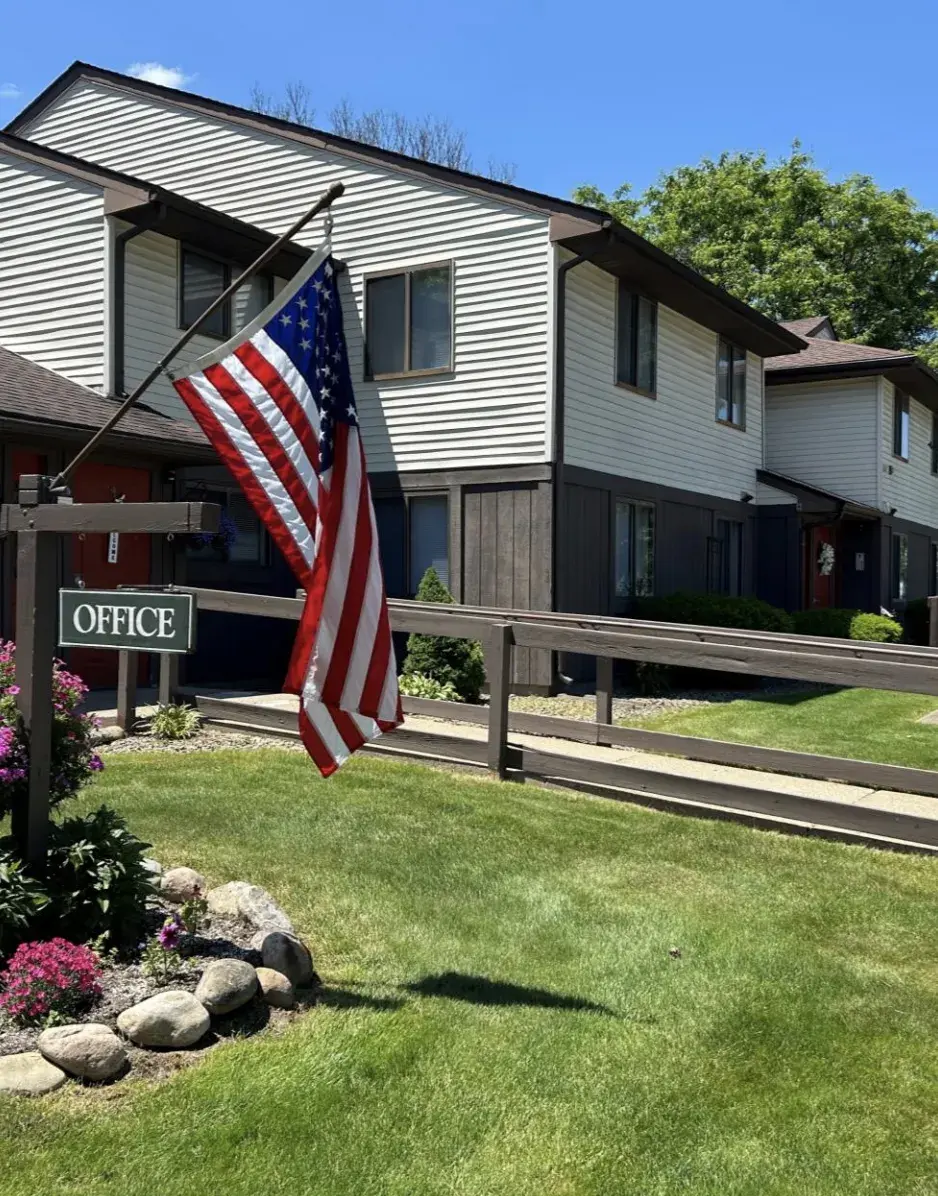
Nestled in western New York State, Ellicottville is a picturesque town of about 1,300 residents with a thriving economy built on outdoor recreation, with skiing in the winter and water activities in the summer. For the seniors living at Ellicottville Terrace, it is a place they call home, filled with a lifetime of memories with friends, family, and community.
That home nearly disappeared.
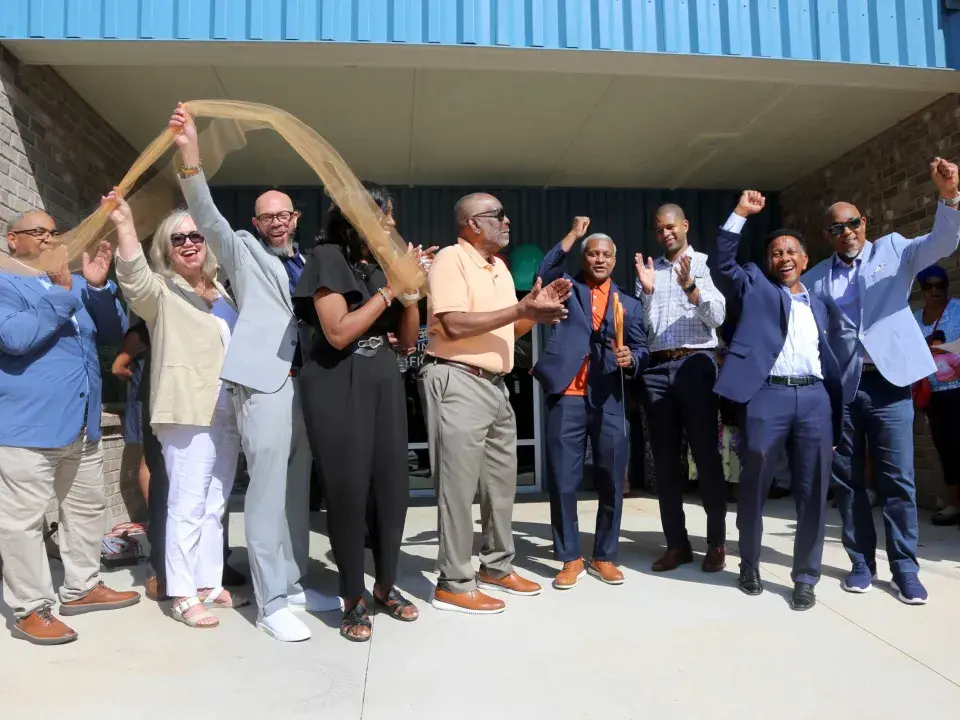
When the property owner sought to sell after paying off their USDA Section 515 mortgage, the seniors living there faced the real threat of displacement. Fortunately, a local nonprofit, Connecting Communities in Action, Inc., stepped in to preserve the property, securing continued affordability for those 40 apartments.
Across rural America, hundreds of thousands of similar homes are on the precipice of conversion to market rate, and the people who live in them have few, if any, alternatives. To understand what's at stake, it helps to know what this housing is, why it's so difficult to replace, and what must be done to avert this collapse.
A Program Built for the Places Others Forgot
Launched in 1963 as part of the Housing Act of 1949, USDA's Section 515 Rural Rental Housing program was designed to solve a problem the private market had not: bringing affordable multifamily housing to rural communities where demand is high, both private and public investment is scarce, and other options are not available.
Through long-term direct loans at 1% interest, the program financed the construction of 13,000 multifamily properties built primarily between the 1970s and 1990s that housed seniors, people with disabilities, and low-income households in some of the country's most underserved places.
The Unique Needs of Rural America
Poverty is disproportionately a rural story. Nearly 70% of the nation's 473 persistent poverty counties, those with poverty rates over 20%, are located in rural areas. About 25 percent of rural households rent, and of those renters, one in three is cost-burdened, spending more than 30% of their income on housing. These are families and seniors often on limited and fixed incomes, and nowhere else to go.
These communities also face unique challenges when it comes to rural housing investment. Remote locations drive up construction costs. Smaller labor pools slow development. Private capital rarely follows. The result is a housing market that leaves low-income residents with almost no options, which is why Section 515 mattered so much when it was created, and why its erosion is a threat to these residents today.
Shifting from Construction to Preservation
That threat is twofold.
In 2011, the United States Department of Agriculture stopped investing in new Section 515 construction. At the same time, the long-term mortgages issued during the program's peak years are reaching maturity. Once mortgages are paid off or prepaid, owners are not obligated to keep the housing affordable. They may opt to sell, with the real possibility that new owners will charge market-rate rents.
The timeline is stark: Starting in 2028, 500 USDA-financed properties with 15,000 units will reach the end of their affordability restrictions every year without proactive preservation strategies.
Creating an Effective Preservation Strategy
Proactively preserving Section 515 housing requires both time and expertise. These transactions typically take 15 months minimum, from feasibility analysis to closing but often much longer. Tax credit awards and funding resources may need refreshing if preservation deals miss deadlines. Third-party funders operate on different schedules than USDA, which may cause delays that can lead to greater acquisition and rehabilitation costs.
Many rural nonprofits willing to take on this work have strong tenant service records but lack experience with USDA's complex requirements. Organizations like Enterprise provide critical technical assistance—from feasibility analysis through closing.
Through mentorship, nonprofits develop skills to continue preservation work independently. Given the volume of expiring properties, technical assistance resources need to be prioritized to keep this housing affordable and viable.
Protecting Residents Through Decoupled Rental Assistance
Beyond property preservation, residents need rent protection. Section 521 Rental Assistance ensures tenants pay only 30% of their adjusted income toward rent, but legally this assistance may only be given to properties with active Section 515 direct loans. Once those loans mature, the rental assistance disappears, even if the property remains affordable.
Decoupling rental assistance from the mortgage solves this problem by allowing Section 521 assistance to continue after loan payoff. USDA currently offers this only through a limited pilot program for properties with loans maturing in fiscal year 2026, but a permanent solution may be on the horizon.
Congress is moving forward to reconcile the Senate and House versions of historic housing legislation, and if the decoupling provision moves forward, it could create stronger, more viable affordable housing for rural Americans and help protect thousands of families and seniors from displacement.