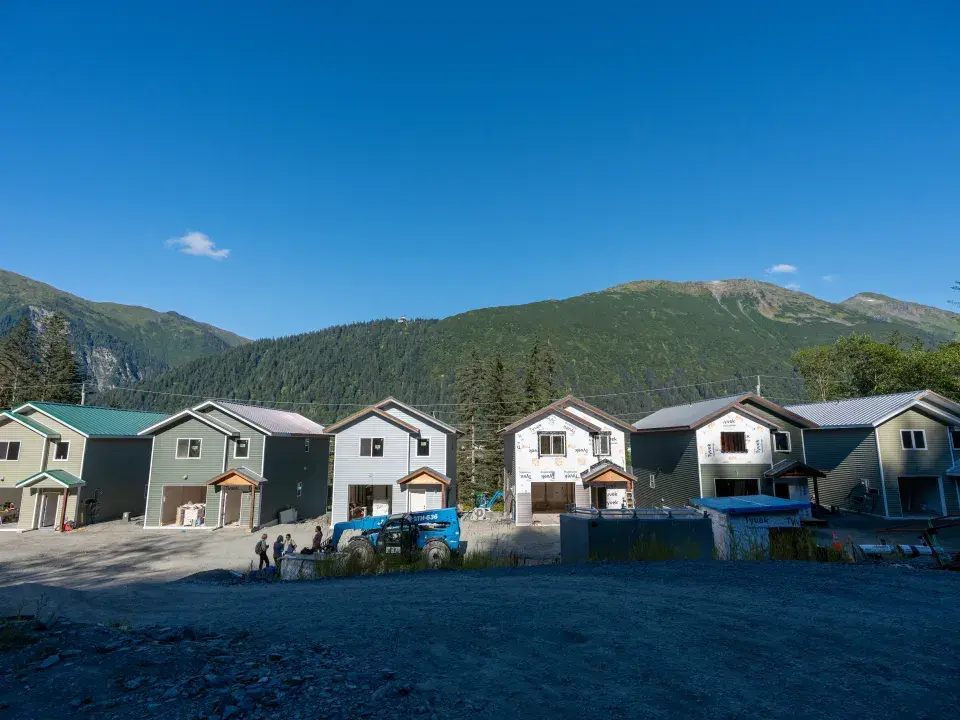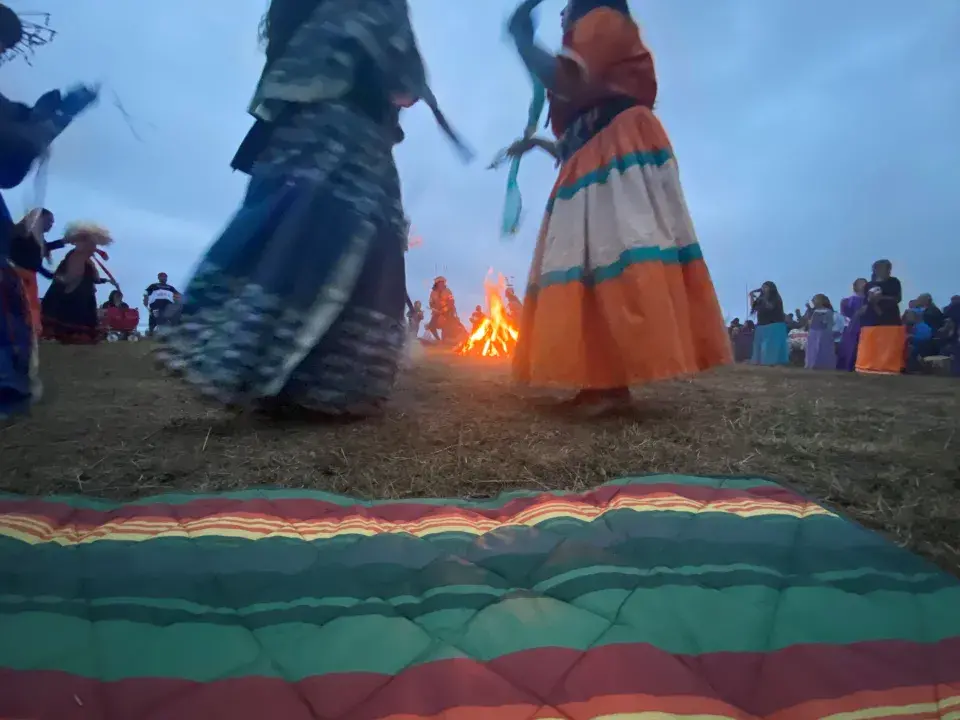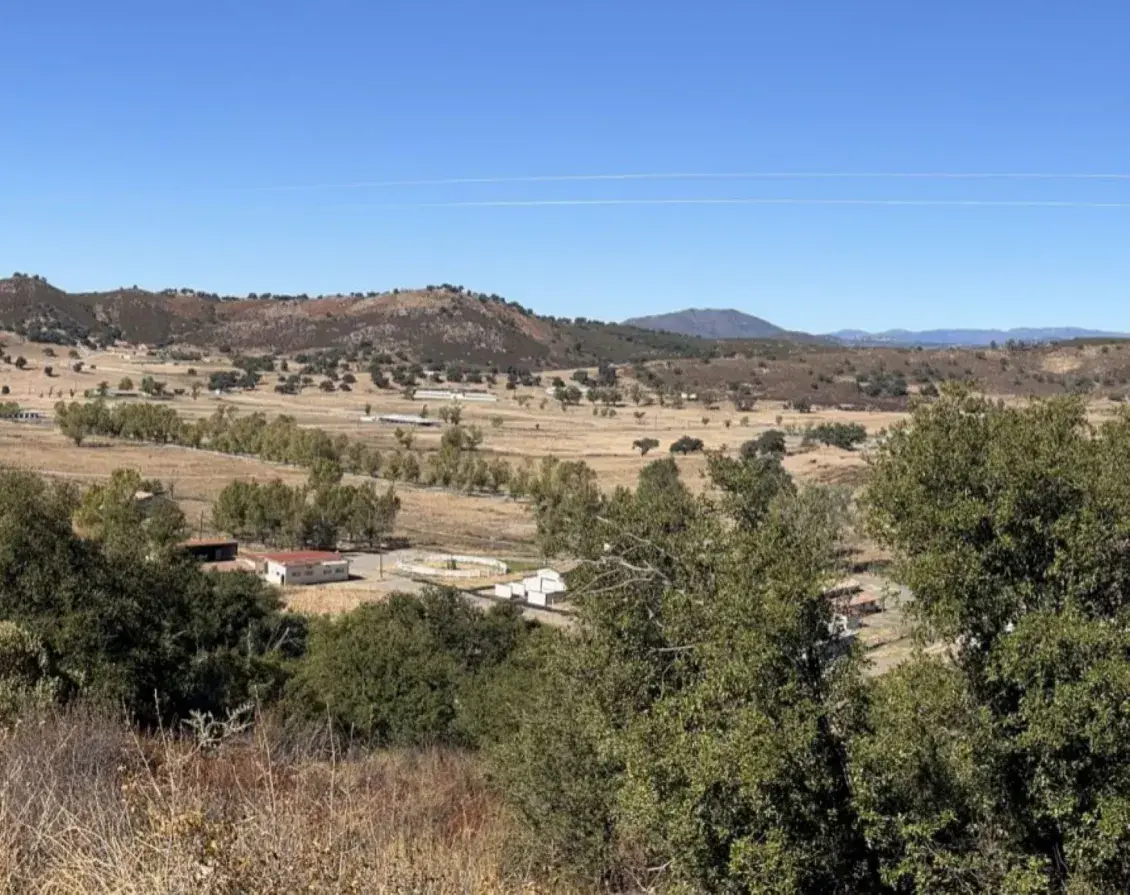
The Mesa Grande Band of Mission Indians is a small California tribe, located in the rural outskirts of San Diego County. Their tribally designated housing entity, the Mesa Grande Indian Housing Authority, was one of ten tribes who joined the California Tribal Housing Accelerator Academy, where they received training on affordable housing development, technical assistance from a Native-led consultant partner, and a pre-development grant to advance their housing goals. Mesa Grande is also an Enterprise HUD Sec 4 Capacity Building program recipient, which they will use towards supporting tenant relations and modernizing their existing housing systems.
We sat down with Danielle LaChusa, housing director for the Mesa Grande Indian Housing Authority and Anna Nelson, a grant writer who has worked closely with the housing authority, to discuss their work and plans for the future.
By building more houses on the reservation, we’re giving our people a chance to come home and rebuild our community.
Danielle LaChusa, housing director, Mesa Grande Indian Housing Authority
Let’s start with a bit of history of your tribe and what people should know about Mesa Grande.
Danielle LaChusa: We’re a small non-gaming tribe in Southern California — our enrollment is just under a thousand people. We started the housing authority in 1995, and it’s been going strong ever since. Right now, we have one small housing development with 22 rental homes, plus two HIP homes that tribal members own themselves. We’ve just kept slowly moving forward. We also have a lovely community garden, and we recently received a large planning grant to redo our community park.
It’s been a big year for us. We’re now planning 12 new units at a new location on the reservation and are focused on growing the housing department overall.
Anna Nelson: The Mesa Grande Band reservation is unique because it’s made up of five different parcels of land. Our current housing is on the Black Canyon tract, where the 22 homes were built in the late 1990s. A big part of the housing authority’s work is maintaining those homes and keeping them in good condition for current residents.
One of the reasons we’re excited to join the Enterprise project is the opportunity to develop housing on one of the newer tracts. That’s really the next chapter for the housing department.
Before this new award and recent momentum, what have housing conditions looked like for tribal members? Were there earlier efforts to address housing needs?
DL: Most people were living in trailers or prefabricated homes that families put up themselves on their family land. Around 1995, the tribe received a large ICDBG grant from HUD and started to develop the homes. Again, in the early 2000s, the Housing Authority received another large grant to build and second phase of homes in Black Canyon. Since then, things have been pretty limited. Everything is low-income housing and there haven’t been many opportunities for homeownership. That’s something we really want to expand upon and give tribal members the opportunity to become homeowners.
How have housing shortages or affordability challenges affected people in your tribe —elders, families, or young people who want to move back?
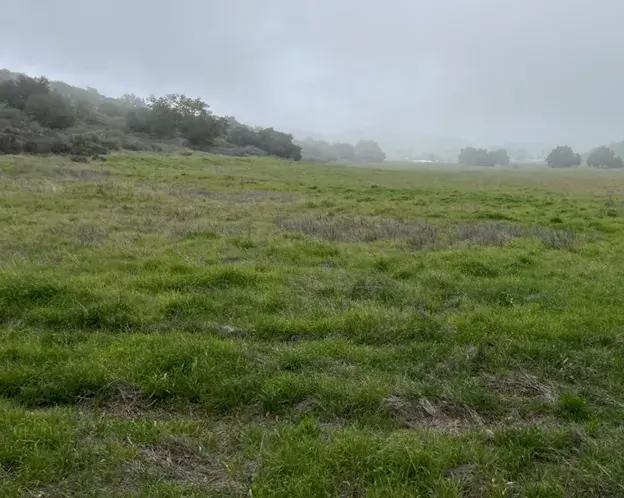
DL: It has been really hard. Enrollment was closed for over 20 years and reopened around 2023. Since then, we’ve had a lot of new tribal members who want to come home and are in need of housing. The housing market makes that extremely challenging. People are looking for something affordable, but the cost of building is extremely high—especially since we’re developing raw land. Putting in infrastructure is a huge hurdle for the tribe but is essential to people coming back and living on the reservation.
What other obstacles has the tribe faced in developing affordable housing, especially compared to non-tribal projects?
DL: Infrastructure is probably the biggest challenge. The cost of putting it in is enormous, and because we don’t have steady revenue, we rely heavily on grant funding. Not having pre-access to water and electricity greatly limits what we can do.
AN: Something people don’t always understand is that tribes don’t get to choose where their land is or how developed it is. That land is homeland and trust land, and it’s often rural or remote. In California especially, reservation land tends to be checkerboarded. That means you can’t easily plug into city utilities. You’re setting up your own water systems, drilling wells, and creating infrastructure from scratch—often across parcels that are miles apart.
Congratulations on the possible Homekey award. What does that mean for the tribe, practically or symbolically?
DL: It’s huge. This application is the major first housing development project since the 2000s. This will allow the Housing Authority to really expand and work towards our mission of bring our people together and strengthen our community and culture.
There’s a big focus right now—from the tribal council and housing board—to keep our culture alive and care for our people. This includes housing, education, arts, language, and traditional knowledge. For a long time, the tribe felt stagnant. This feels like a real opportunity to grow.
AN: Working with HCD has been a great experience. We originally applied for this funding in 2023 and were told it was oversubscribed. After nearly two years, we’d written it off. Then suddenly, funding became available, and they were very motivated to work with us.
They’ve been supportive every step of the way, and it’s been a learning process on both sides—especially in figuring out what state requirements apply to tribes and what doesn’t.
Were tribal members involved in shaping the vision for the 12 new units?
DL: Yes. Before applying for the Homekey funding, we also received a SANDAG grant that helped us do a lot of the planning work. We’ve held multiple tribal housing workshops and got a lot of input from our tribal membership.
Our original application was intentionally open ended, but with the planning grant, we were able to go back to HCD with a much clearer vision of what the community wanted. Having multiple funding sources that build on each other made a big difference.
Can you talk about the partnerships involved in this project?
AN: Initially, Danielle and I worked on the Homekey application together. Around the same time, we applied for the California Tribal Housing Accelerator Academy through Enterprise, which allowed us to bring in LACO Associates, who were incredibly helpful in navigating early project steps.
Through those connections, we also partnered with California Housing Partnership, which we’re working with using Enterprise grant funds. The SANDAG grant allowed us to bring in Cordoba, an engineering and planning firm that’s helping with project planning and a broader tribal housing plan.
It truly takes a village to build a village.
DL: I agree—we’ve been working with four or five different agencies, plus our internal tribal team. Our chairman, Curtis LaChusa, has been incredibly supportive. Jesse Morales, our water master and a former tribal vice-chairman, has also been vital. Their knowledge of the land and its history has been essential to moving the project forward.
How does this project fit into the tribe’s long-term vision for housing?
DL: The SANDAG grant is supporting a housing master plan, which is huge for us. Chairman Curtis LaChusa has a vision of about 1,500 homes, along with community centers, parks, a water treatment facility, and solar fields so we can generate our own utilities.
We’re also planning smaller homes for elders and larger single-family homes for families. This will all be in one area we’re calling Northfield, near Ramona, on our Golden Eagle parcel. The Homekey project will be Phase 1A, with 12 homes. Future phases will depend on funding, but the vision is there.
If you could share one message with funders, policymakers, or other tribes, what would it be?
AN: At its core, this is about cultural and environmental sustainability. We’re not just building housing—we’re building community and preserving culture. Housing in San Diego County is incredibly expensive, and many tribal members have had to leave the region.
Our goal is to create an affordable, sustainable place where people can live, stay connected to their culture, and stay connected to their community. Without that, tribal culture can be lost.
DL: Exactly. For us, homelessness can mean not being able to live within our community or even within reach of our homeland. By building more houses on the reservation, we’re giving our people a chance to come home and rebuild our community.