Housing stability and health are inseparable. In many homes, traditional gas appliances like space and water heaters emit a wide range of pollutants linked to health effects such as respiratory illness, cardiovascular disease, and premature death.
Many affordable housing developers are increasingly replacing these gas appliances with electric units to provide cleaner, healthier homes for their residents while keeping homes affordable for the long term. Fortunately, with the rapid development of new technologies such as heat pumps for water and space heating, appliance electrification is becoming more practical, cost-effective, and common sense.
Recent local policies – such as the Bay Area’s new water and space-heating regulations and San Francisco’s electric-retrofit policy – seek to accelerate these transformations. The clean air and climate impacts from these adjustments will be significant. About two-thirds of Bay Area households use gas appliances and heating systems, just slightly above the 60% of households that rely on gas nationally.
These policies are important for communities that disproportionately feel the harmful impacts of air pollution and a warming planet. But these positive changes do not come without challenges, especially as affordable housing groups across the region and the country confront scarce public resources and significant operating expenses.
Bay Area affordable housing groups are preparing for new local electrification requirements to go into effect next year, like the first-of-its-kind Bay Area Air District regulation to phase out gas water heaters. Our Northern California team took a close look at what's working, what's not, and what policymakers should keep in mind given the real financial pressures these organizations face.
Affordable Housing has Distinct Financial Needs to Decarbonize
Building decarbonization is the process of reducing greenhouse gas (GHG) emissions associated with powering buildings, such as replacing natural gas appliances with electric alternatives. Affordable housing providers have regularly been at the forefront of building decarbonization in California.
Some groups have created sustainability teams, invested significant time and capital to decarbonize their older properties, and stacked myriad state and local rebate and incentive programs to finance sustainable rehabilitation work. Nationally, Enterprise established building performance standards and a certification program for affordable housing in 2006. The Green Communities Criteria has since become a national reference point for energy efficiency and electrification.
Despite the significant decarbonization work that has already been done, meaningful barriers to further electrification remain. These include:
- The rising cost of operating affordable housing generally, amidst the potential for increased property operating expenses after electrification in some parts of California
- High upfront rehabilitation costs
- Misaligned rebate and incentive programs
Unlike market-rate property owners who can cover costs through market-rate rents, affordable housing organizations are subject to maximum rent restrictions. While critical for affordability, rent restrictions limit their financial flexibility to pay upfront for decarbonization costs and to cover ongoing operational cost increases.
Bay Area Air District Rule 9-6: A Case Study
The Bay Area Air District (Air District) is currently poised to finalize flexibility measures for an electrification requirement known as Rule 9-6. The rule has renewed conversations on building electrification among affordable housing developers in the region.
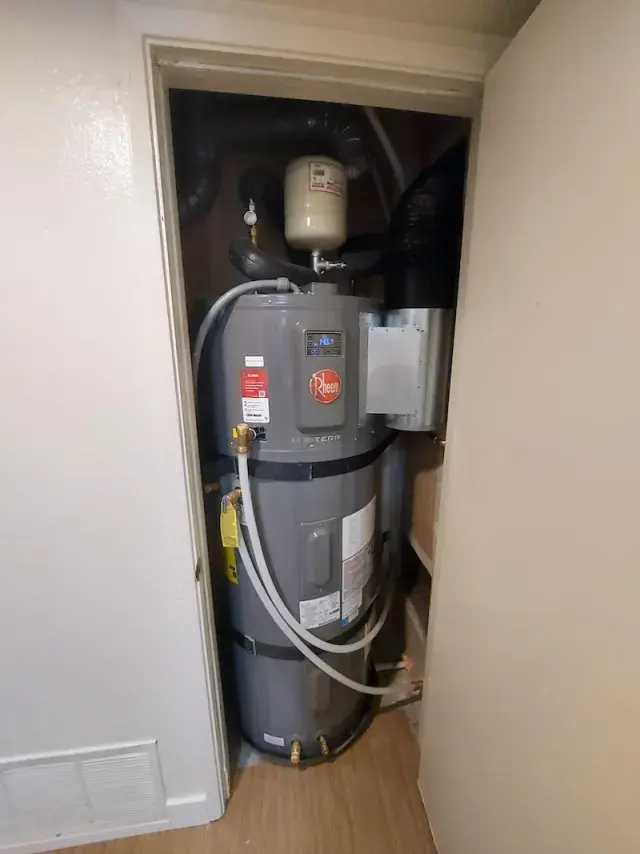
Originally adopted in 2023, Rule 9-6 is a clean air policy intended to improve public health by requiring that water heaters sold in the region emit zero nitrogen oxides. Effectively, it will require failing gas appliances to be replaced with electric water heaters. While the Rule will initially only apply to small (in-unit) water heaters starting in 2027, the policy may be an important policy template for other regions and states navigating the electrification transition. Its flexibility measures, which will likely be finalized this fall, may also inform a similar Air District rule on space heating systems.
Enterprise’s engagement on Rule 9-6 flexibility measures has been guided by a set of core principles. First, affordable housing owners should absolutely electrify their appliances when electrification does not cause significant financial hardships or major compliance obstacles. Second, affordable housing should require some flexibility measures that market-rate properties do not. Third, regulators should play an active role in facilitating electrification for affordable housing.
Electrification has the potential to create financial hardships for affordable housing groups in two ways, both of which need to be considered in policy. The first is one-time capital costs. Replacing gas water heaters with electric units often requires not just the appliance itself, but sometimes comes with costly panel upgrades, new wiring needs, and other infrastructure improvements that affordable housing rehabilitation sources may not be able to cover. In the case of Rule 9-6, while Air District staff proposed one-time waivers for any kind of home with space or electric constraints, affordable housing groups remain concerned that renewable waivers are necessary to avoid unfunded mandates after one-time waivers expire.
Even when funding is available to cover electrification costs, affordable housing providers can typically only access these funds periodically. This underscores the importance of providing whole-building compliance mechanisms instead of replacing in-unit gas appliances one by one as they fail. Affordable properties are reliant on periodic financing such as tax credit resyndications, subsidies, and electrification rebates. A comprehensive compliance approach for the buildings better positions owners to time their electrification efforts with planned rehabilitation work as they refinance.
This whole-building approach also alleviates the administrative burden associated with requesting waivers for multiple units in the same building. For regulations like Rule 9-6 that apply to in-unit water heaters, we have therefore advocated for an alternative compliance mechanism that doesn’t require immediate replacement at equipment failure.
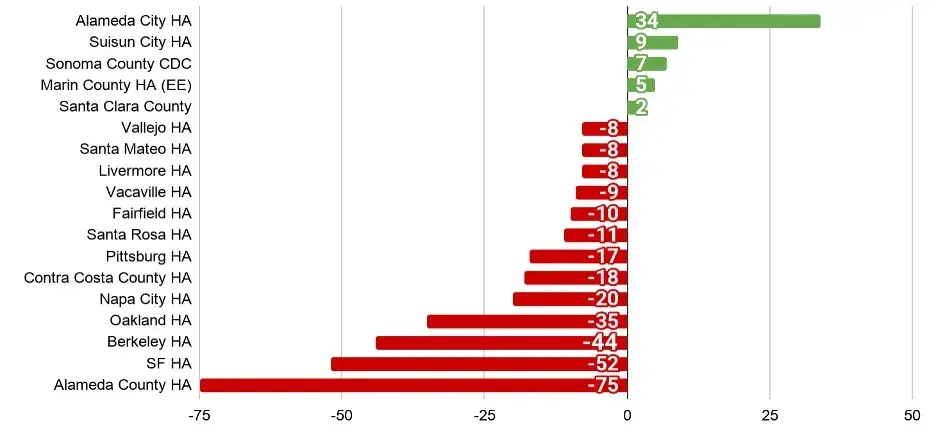
The second financial obstacle common in California and some other states is that switching from gas to electric utility allowance (UA) schedules can potentially reduce operating revenue after electrification, creating financial disincentives for electrification. In most of the Bay Area, electric UAs are higher than gas UAs. Electric UAs can be higher due to high local electricity rates and outdated assumptions about the technologies available for electric heating and the associated costs of water and space heating.
When this is the case, tenants set aside more money for utilities and less for monthly rent to affordable housing owners. This can reduce owners’ ability to pay ongoing operating expenses and build financial reserves. Public Housing Authorities (PHAs) and potentially state agencies may be able to modify available UA schedules to address this disincentive. However, until this occurs, we recommend that regulators – including those at the Air District – provide renewable waivers for properties facing these financial disincentives.
Change in per unit operating income for two-bedroom units by
Bay Area Public Housing Authority territory in dollars
In addition to providing more flexibility, regulatory bodies can and should work to improve the enabling environment for affordable housing electrification over time. For example, regulatory agencies can encourage PHAs to adopt better UA methodologies in areas where UAs create financial disadvantages for electrification.
They can also support efforts to allocate additional funding for important statewide funding programs like the Low-Income Weatherization Program, Equitable Building Decarbonization Program, and TECH Clean CA. Finally, they can create local or regional funding programs to meet needs in communities subject to new regulations.
The Opportunity
The Bay Area has a chance to model how ambitious climate and public health policy can work well for affordable housing. But policies like Rule 9-6 will require ongoing partnership between air quality regulators, affordable housing organizations, environmental organizations, and the public agencies that fund this work.
At Enterprise we believe electrification is urgently needed and that it is ultimately achievable in many properties. With the right flexibility, this moment in the Bay Area can be a model worth replicating to ensure clean air for residents of affordable housing and a healthier planet.